Main outtakes
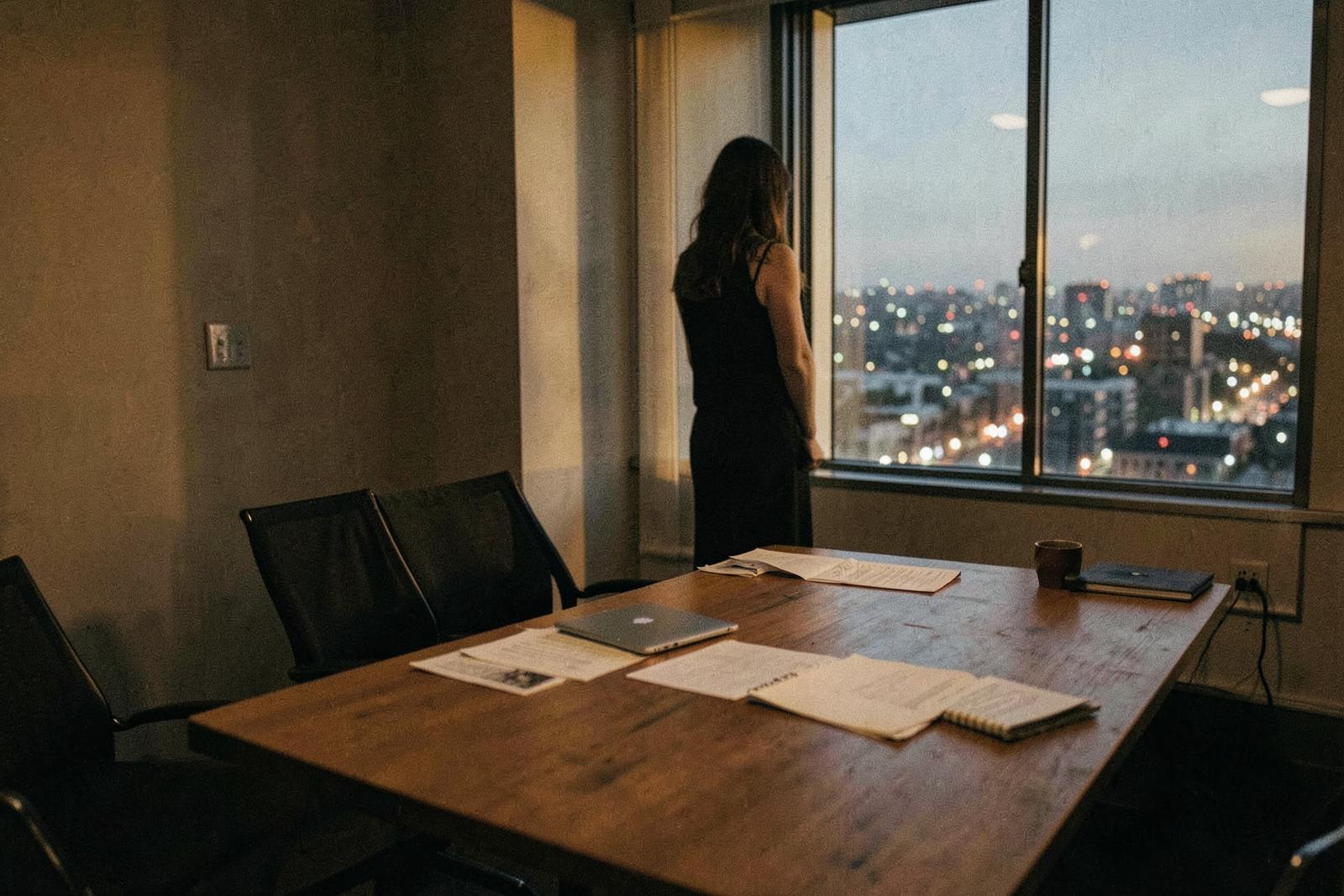
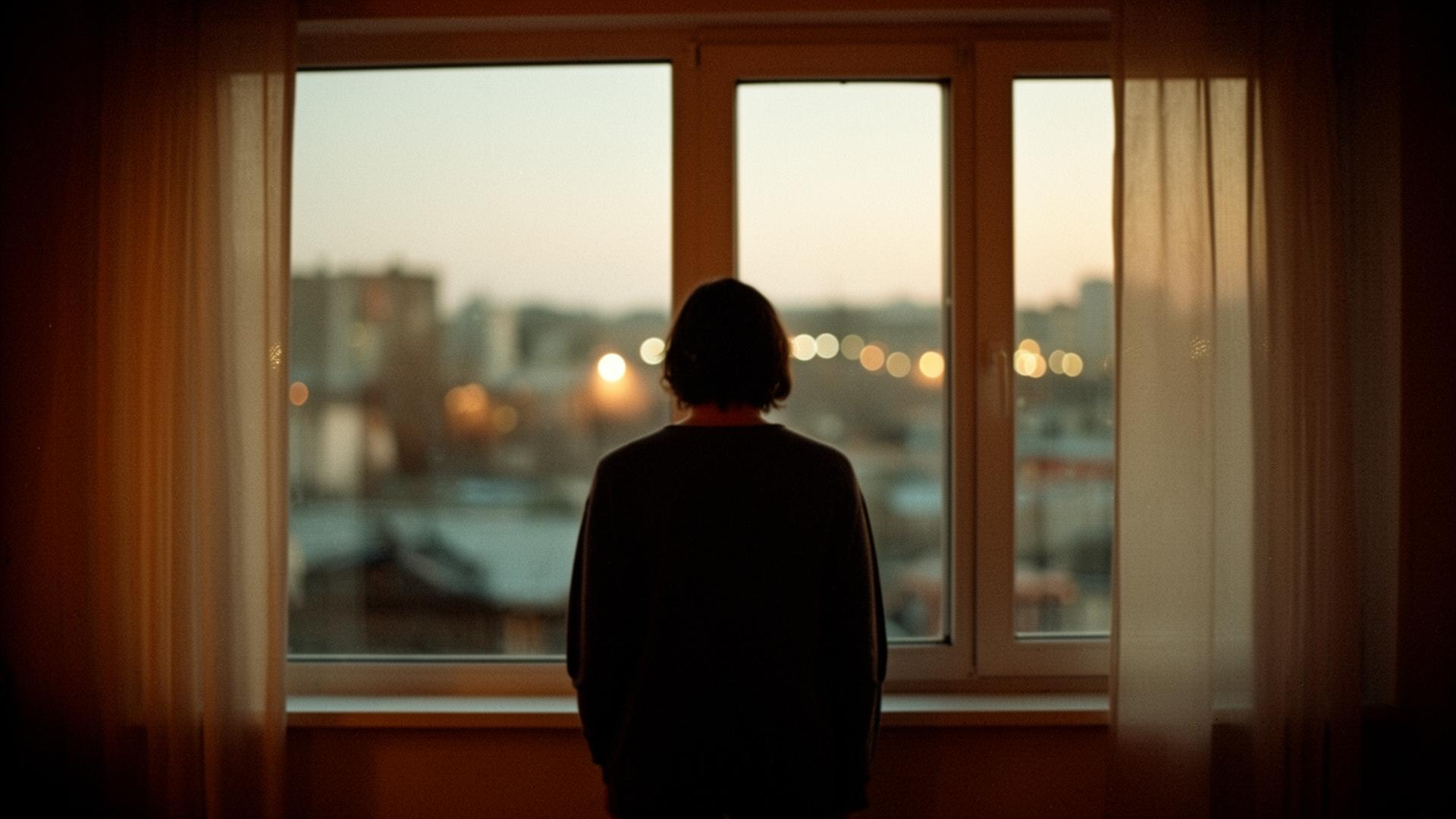
- 01Loneliness is not the absence of people. It is the absence of being witnessed.
- 02Most modern spaces are designed for transaction, not for presence.
- 03A brand, a dinner, a room — anything humans enter — has an architecture of attention.
- 04Presence is a craft. It can be designed for, the same way light or sound can.
- 05The opposite of loneliness is not company. It is being received without performance.
There is a particular kind of tiredness that has nothing to do with sleep.
You feel it after a day of messages, calls, meetings, posts, voice notes, replies, reactions. You have been in contact with dozens of people. You have not actually been met by any of them.
This is the quiet emergency of our moment. We are more connected and less reached than at any point in our species' history.
The difference between contact and contact
Two people can sit across from each other and not be in the same room. Two people can be on opposite sides of the planet and feel held.
Connection is a technical event. Presence is a human one.
Most of what we call communication today is connection without presence. The signal arrives. The person does not.
Loneliness, properly understood, is not the absence of people. It is the absence of being witnessed.
Spaces that cannot hold a human being
Walk through almost any modern environment — a co-working floor, an airport lounge, an algorithmic feed, a "community" Slack — and notice what they are actually designed for.
They are designed for throughput. For transaction. For visibility. For metrics.
They are not designed for a nervous system to settle.
This is not an aesthetic complaint. It is a structural one. The rooms we spend our lives in are quietly teaching us that we are units, not people.
The architecture of presence
Presence has an architecture. It can be designed for, the same way light, sound or temperature can.
It is built out of small, almost invisible decisions:
- How long the silences are allowed to be.
- Whether the seating asks people to face each other or perform for a stage.
- Whether the room has somewhere to look that isn't a screen.
- Whether the host is regulated enough to slow everyone else down.
- Whether the brand speaks like a person, or like a department.
None of this is decoration. It is the difference between a space people endure and a space people remember in their body for years.
Why brands feel lonely too
Most brands today are technically excellent and emotionally absent. They are well-designed, well-positioned, well-optimised — and they don't reach anyone.
The reason is simple. They were built to be seen, not to be felt.
A brand with presence is rare because it requires the same thing a person with presence requires: the willingness to stop performing, and the discipline to actually pay attention to who is on the other side.
What it would take
Building for presence is unfashionable. It is slower. It is harder to measure. It does not scale the way attention scales.
But it is the only thing, in the end, that people remember.
The dinners they were truly received at. The films that did not flinch. The brands that spoke like someone who had thought about them. The rooms where, for once, they did not have to be impressive.
The opposite of loneliness is not company. It is being received without performance.
That is the work. Not more connection. More presence.
Everything else is noise pretending to be intimacy.