The Quiet Authority of Emotionally Literate Leaders
5 April 2026 · 7 min read

Main outtakes
- 01The loudest leader in the room is usually the most anxious.
- 02Trust is built in the small moments nobody is measuring.
- 03Emotional literacy is not softness. It is operational precision.
- 04A team that feels safe will outwork a team that is afraid, every quarter, forever.
- 05The next era of leadership belongs to the regulated nervous system, not the louder voice.
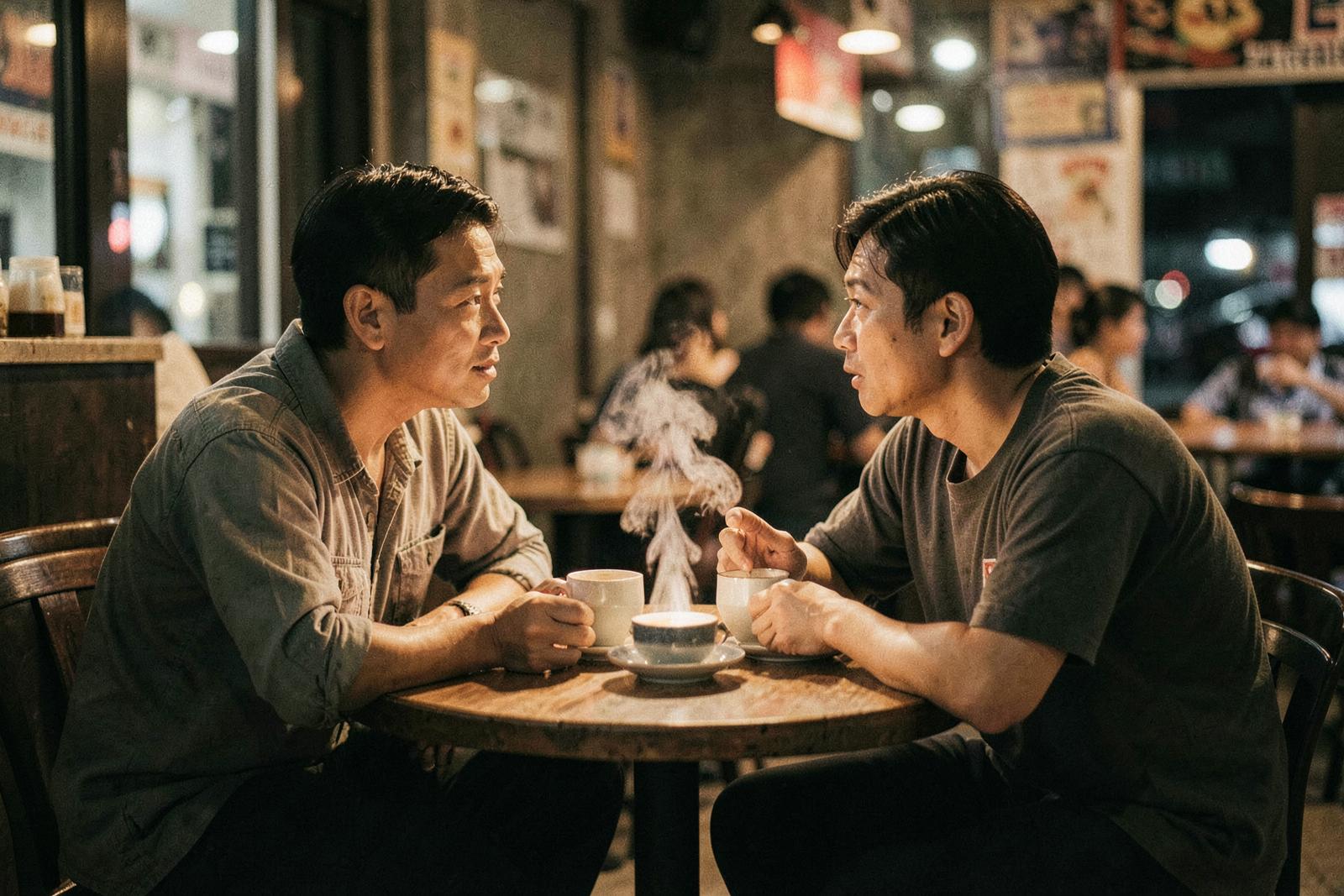
We sat with three founders over the course of a week. Different industries, different ages, different countries. They had one thing in common: each of them had, at some point in the last few years, stopped trying to lead the way they were taught to lead.
None of them used the word "burnout." All of them described the same thing.
The era of intensity is ending
For twenty years, the dominant leadership aesthetic has been intensity. The 6am gym, the inbox at midnight, the meeting that runs hot, the founder who never sits still. Intensity has been the proof of seriousness.
It has also been quietly, expensively, destroying teams.
The loudest leader in the room is usually the most anxious. The room can tell. It just doesn't say so out loud.
What the founders in this conversation kept circling was a simple, uncomfortable observation: the leadership style that built their first chapter would not survive their second.
What emotional literacy actually is
The phrase gets misused. Emotionally literate leadership is not "being nice." It is not therapy-speak in standups. It is not avoiding hard conversations.
It is the ability to read the room — including yourself — accurately, in real time, and respond to what is actually happening instead of to what you imagined was happening.
It is the difference between:
- "This person is being difficult" and "this person is afraid."
- "The team is slow" and "the team is unclear."
- "They don't respect me" and "I haven't earned their trust on this specific thing yet."
That re-reading is not soft. It is operationally precise. It saves entire quarters of misallocated effort.
The quiet ones are winning
One of the founders runs a company of about eighty people. He almost never raises his voice. He sends short messages. He does not perform urgency. His team — and this is the part that gets noticed — moves faster than teams twice their size.
When asked why, he said something we have been thinking about ever since:
"A team that feels safe will outwork a team that is afraid, every quarter, forever. Fear is fast for a week. Safety compounds."
Trust is built where no one is looking
None of the trust these leaders have with their teams was built in the big moments. Not in the all-hands. Not in the company offsite. Not in the keynote.
It was built in the small ones. The 1:1 where the founder closed the laptop. The Slack message acknowledging a hard week. The decision to take responsibility publicly for something that was, technically, someone else's mistake. The willingness to say "I don't know" in a meeting where everyone expected an answer.
These moments do not show up on a dashboard. They show up, eventually, in retention, in candor, in the speed at which bad news travels to the people who need to hear it.
What this means for the next decade
The next era of leadership will not belong to the loudest voice in the room. It will belong to the most regulated nervous system in the room.
Not because intensity stops working — it still does, briefly — but because the cost of running an organisation on adrenaline has finally become legible. People are leaving. Quietly. In numbers. To work for people who do not require them to be afraid in order to be useful.
The founders we spoke to are not soft. They are, if anything, more demanding than the version of themselves from five years ago. They just demand different things: presence, honesty, ownership, judgment.
And they have learned, the long way, that you cannot ask a team for any of those things while modelling none of them.
That is the whole conversation, in a sentence.