Documentary
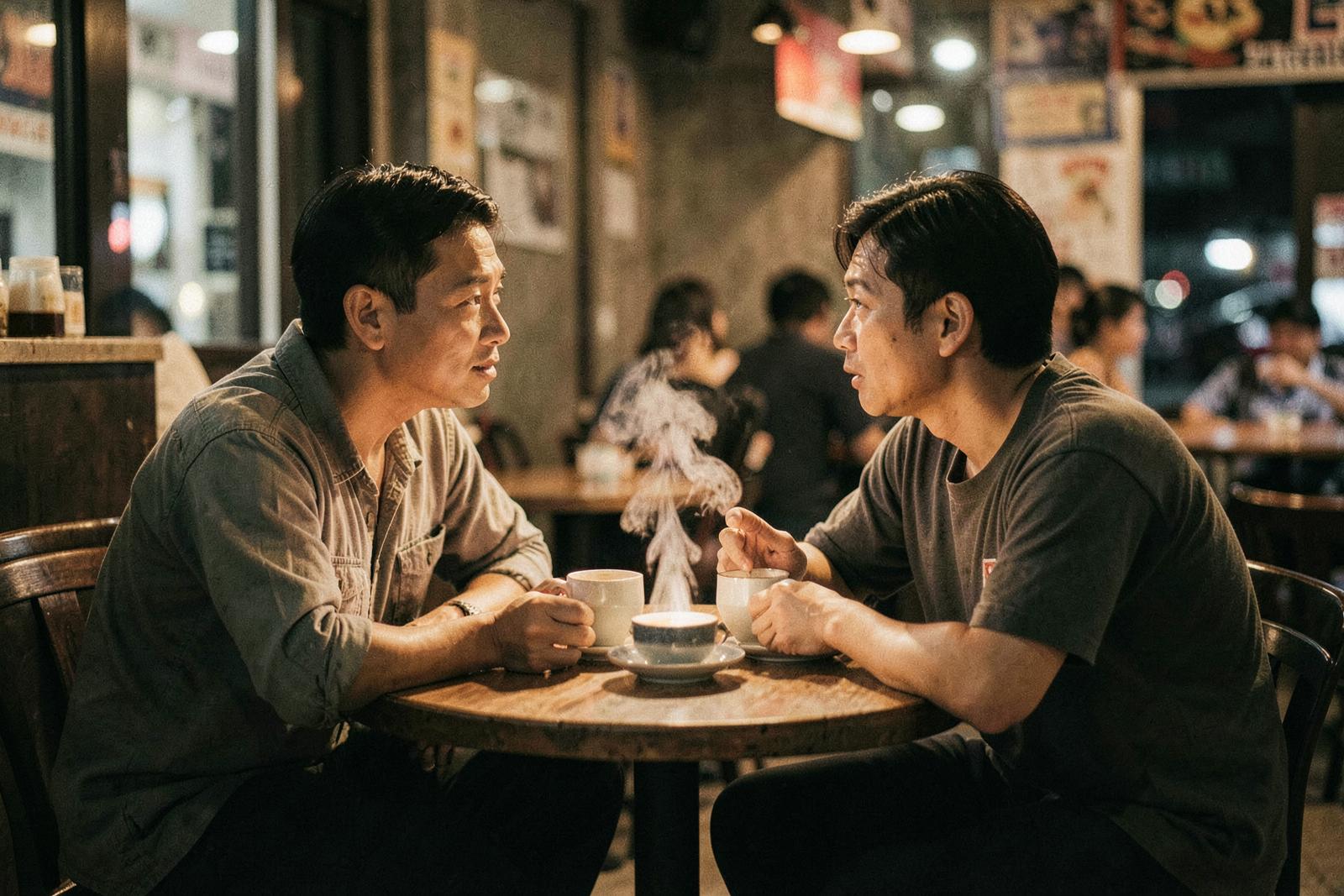
Inside HÄPI: what we learned from feeding 600 strangers in a living room.
14 March 2026 · 6 min read · Tallinn / Saigon
Main outtakes
- 01The room does most of the work. Light, scale and tempo decide the conversation before anyone speaks.
- 02Strangers open faster than friends — but only if the host carries the weight of the first ten minutes.
- 03Phones away is not a rule, it is a kindness. Frame it that way and almost no one resists.
- 04The food should be generous and unfussy. People remember being fed, not being impressed.
- 05Endings matter more than beginnings. A clean, unhurried goodbye is what they carry home.
HÄPI started, like most honest things, as a small private fix for a private problem. We were tired of dinners that felt like networking with cutlery. We wanted a room where you could arrive as a stranger and leave as someone who had been actually seen.
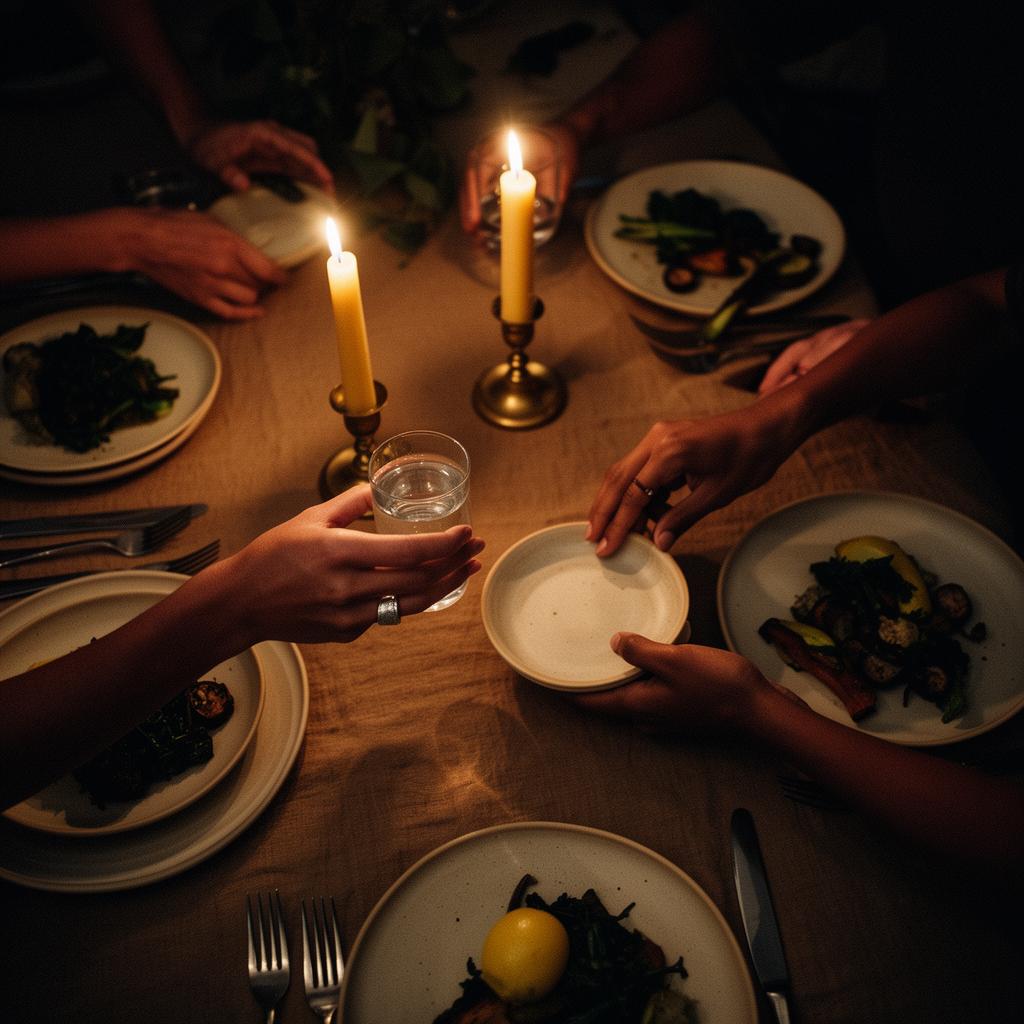
The format was almost embarrassingly simple. Twelve seats. One long table. Two candles. No phones, no name tags, no programme. A meal we cooked ourselves. A single question, asked once, somewhere between the main and the wine being topped up again.
Why this, and why now
We live inside the most connected species in history and the loneliest version of ourselves we have ever produced. Most rooms are optimised for output — pitch decks, panels, productivity. Almost none are optimised for the slower, less photographable work of feeling met.
HÄPI was our small protest against that. Not a salon, not a supper club, not a networking event. A room engineered, very deliberately, for the particular kind of quiet that lets strangers tell the truth.
What 600 dinners taught us
After eighteen months and roughly fifty evenings — first in a third-floor apartment in Tallinn's old town, then in a tiled colonial flat in Saigon's District 3 — patterns began to harden into something close to a craft.
The room speaks first. Before anyone says a word, the light level, the scale of the table, the smell coming from the kitchen and the speed at which the host is moving have already decided what kind of evening this is going to be. Get those right and the conversation almost hosts itself.
Strangers are braver than friends. Counter-intuitive, but true. Friends know your edit. Strangers will ask the real question — but only in the first thirty minutes, and only if the host carries the social weight long enough for them to relax into it.
Generosity reads as safety. Plates that keep arriving. Wine that keeps being poured. A second helping pressed gently on the person who is too polite to ask. People do not remember being impressed. They remember being fed.
The ending is the whole thing
The single biggest mistake we made in our first ten dinners was treating the goodbye as admin. It is not. The last ten minutes of a HÄPI is what people carry home in their body for weeks. We learned to slow it down — coats handed over, a small thing pressed into a palm, the door held open a beat longer than necessary. No "we should do this again." Just a clean, warm ending that does not ask anything of anyone.
Where it goes next
HÄPI is becoming a quiet format we offer to a small number of brands, founders and cultural projects who want to host their people the way we host ours — and who understand that the work is in the room, not the deck. If you have read this far and something in you said yes, that, you probably already know how to find us.
Good ideas from Tallinn / Saigon
- ·Cap the table at 12. Past that, the room splits into smaller conversations and the spell breaks.
- ·Seat people next to a stranger, never across from a friend.
- ·One question, asked once, halfway through dinner — never a round of introductions at the start.
- ·Candlelight only. Overhead light flattens the room and the mood with it.
- ·Send a hand-written note within 48 hours. It costs nothing and changes everything.